

As a lab researcher of diverse cell lines, every decision you make matters. The results of such research can affect how doctors treat patients and how new medicines are developed for certain diseases. For this reason, research on a particular cell line must be on a solid foundation. That is why verifying the credibility of cell lines becomes essential for lab researchers. A cell line authentication test in India helps identify that the cell lines of research are exactly what they are supposed to be, right from the beginning.
About Cell Line Authentication
Think of it like a fingerprint for your cells. Every human cell line has a unique genetic identity hidden inside its DNA. This identity is found in specific repeating patterns called Short Tandem Repeats, or STRs. When you run an analysis of cell lines, the lab compares the STR pattern of your sample to a known database of verified cell profiles.
If the patterns match, the cell lines are known to be genuine. However, if they do not match, the authenticity is rejected.
Three Common Errors with Cell Lines
Even in a well-managed lab, things can go wrong without you noticing. Here are the three most common problems:
- Mislabeling: A container may carry the wrong name right from the moment it arrives at your lab. This is a simple human error, but the damage it causes can be massive.
- Genetic Drift: Cells grow and divide every day. Over time, their inner code can slowly shift. After many generations, the cells may no longer behave the way the original sample did.
- Cross-Contamination: If a small number of fast-growing cells accidentally enter your culture, they can take over the entire sample in a short time. You may not even notice the cross-contaminated cell lines until the research data starts looking strange.
Any one of these problems can send your project in the wrong direction. The best way to protect yourself is to check early and check often.
When Should You Run Cell Line Verification?
You do not need to wait for something to look wrong before you test your samples. Make authentication a regular habit by running a check at these important moments:
- When You Receive New Cell Lines – Whether from a vendor or a fellow researcher, never assume the label is correct.
- Before Starting a Project – You want to be sure your starting point is solid before you invest serious time and resources.
- During Long-term Culturing – The longer cells stay in culture, the higher the risk of genetic drift. A check every few passages keeps things on track.
- Before Storing Samples – If you are putting cells away for future use, verify them first so you do not store a problem for later.
- Before Publishing Research – Many journals now require proof of cell line authentication before they will accept your manuscript.
The Process of Cell Line Authentication
The procedure is straightforward and handled by trained experts. Here is how it works, step by step:
Step 1 – Sample Collection: A small portion of your cell culture is carefully taken. This must be done cleanly to prevent an outside material from entering the sample.
Step 2 – DNA Extraction: Special chemicals break open the cells and pull out the genetic material. The DNA is then cleaned so that nothing interferes with the analysis.
Step 3 – DNA Amplification: A technique called PCR is used to make many copies of specific DNA regions. This makes the STR patterns much easier to read and analyze.
Step 4 – Creating a DNA Profile: The lab reads the STR patterns from your sample and builds a unique profile. This profile works like a one-of-a-kind ID card for your cell line.
Step 5 – Matching the Profile – Your profile is compared against a large, trusted database of known cell lines. A match of 80% or above means your cells are authentic and ready to use. A lower score is a sign of contamination or unwanted change.
Risks Associated with Unverified Cell Lines
Some researchers skip authentication to save time, but this decision often costs far more in the end. Here is what can possibly happen:
Retracted Research: If it is discovered that your research was based on the wrong cells, the journal may withdraw your published work. This is a serious negative impact on your career.
Lost Funding: Organizations that support your work want to see high standards. If your research falls into uncertainties, it can cut off future financial support.
Wasted Time, Money, & Efforts: Think about every hour, every tool, and every resource that went into a project built on the wrong cell lines. All of it is gone.
Reputation Damage: Trust is hard to build and easy to lose. Once your research data is compromised, it causes significant damage to the reputation from which it can be hard to recover.
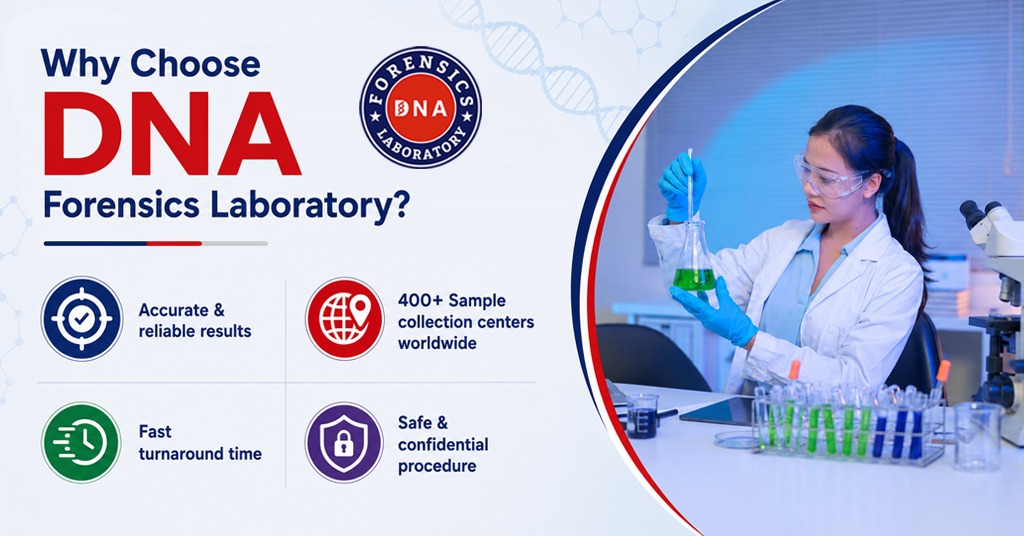
Why DNA Forensics Laboratory Pvt. Ltd. for Cell Line Verification?
When you need a reliable partner for cell line authentication services, DNA Forensics Laboratory, also known as DFL, is a reliable choice. Our team of lab experts uses STR profiling with multiplex PCR followed by capillary electrophoresis, analyzed through GMIDX software – a method that meets the standards of major global research organizations.
DFL serves research institutes, pharmaceutical companies, and biotech firms across India. Our testing lab holds NABL accreditation and ISO certification, which reflects the high quality of the DNA testing process. Results are usually ready within 10 to 15 working days, so you do not have to wait long to move forward.
Moreover, DFL is the only private DNA testing company in India whose reports are legally admissible in courts of law. This gives your authentication results extra weight, whether you are publishing research, working with institutions, or keeping thorough records.
For more information or to book a cell line authentication test, call us at +91 8010177771. You can also send a message on WhatsApp at +91 9266615552.
Frequently Asked Questions
Q1. How long does the authentication process take?
DNA Forensics Laboratory delivers your final authentication report within 10 to 15 working days.
This turnaround time allows you to continue planning your research without long delays.
Q2. What happens if my cell line fails authentication?
A failed result means your sample is contaminated or has changed too much. You should stop experiments immediately and source a fresh, verified cell line.
Q3. What method is used to authenticate cell lines?
STR profiling is the most trusted method used by labs worldwide today. It reads unique repeating DNA patterns to confirm your sample’s true identity.
Q4. What causes cell lines to become unreliable?
Three main issues are mislabeling, genetic drift, and cross-contamination from other samples.
Any one of these problems can quietly affect your entire research project.

